The Fascinating World of Mahjong: Exploring the Game and Its History
Mahjong is a captivating tile-based game that has been enjoyed by people across the globe. With its roots steeped in ancient Chinese culture, Mahjong is not just a game but a reflection of social harmony, strategy, and skill. Whether you're a seasoned player or a complete novice, understanding the nuances of Mahjong can provide an enriching experience.
Understanding the Basics of Mahjong
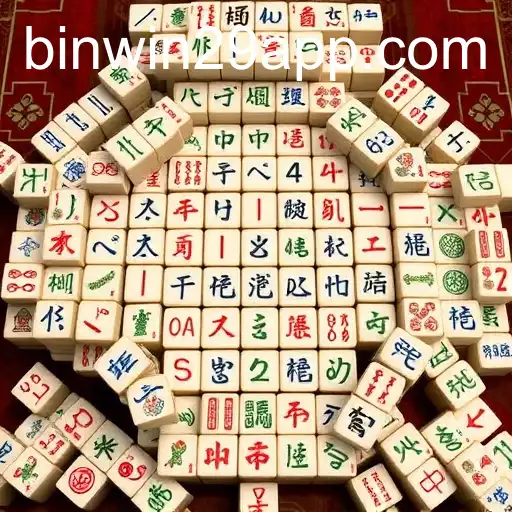
At its core, Mahjong is a game played with a set of 144 tiles. The objective is to build a complete hand of four sets and a pair, totaling 14 tiles. The sets can be either 'pungs' or 'chows,' each requiring different tiles to complete. Players draw and discard tiles, aiming to improve their hands until a player declares 'Mahjong' upon achieving the winning hand.
The Rules of Mahjong
The rules of Mahjong can vary significantly depending on the variant being played, but the standard version involves four players sitting around a square table. The game begins with the shuffle of tiles face down, forming a square wall from which players draw their tiles. As each player draws a tile, they assess whether it fits into their evolving strategy.
Discarding is an essential part of Mahjong, often requiring players to make strategic decisions about which tiles to give up to either advance their hand or thwart opponents. The cyclical drawing and discarding continue until one player completes a legal hand and announces 'Mahjong.'
The History and Origin of Mahjong
The origin of Mahjong is a subject of rich cultural history. Believed to have been developed in China during the Qing Dynasty, Mahjong's early iterations were played in a similar fashion to card games of the time. By the early 20th century, Mahjong had become immensely popular, spreading from the rural areas of China to urban centers.
Some historians suggest that Mahjong drew inspiration from popular card games combined with elements of Chinese dominoes. As its popularity soared, Mahjong began to transcend cultural boundaries, with variations emerging in different parts of Asia, including Japan, Southeast Asia, and Korea.
Mahjong's Influence on Culture
The cultural impact of Mahjong cannot be overstated. Within China, the game was often associated with family gatherings and social events, where it served as a medium for relaxation and bonding. The game also symbolized intellect and strategy, often illustrating the complexity of human wit and strategic planning.
Outside of Asia, Mahjong experienced a resurgence in the 1920s and 1930s, particularly in the United States. Often marketed as a trendy, exotic novelty, many Americans embraced Mahjong as both a leisure activity and a cultural curiosity. The influence of Mahjong can be seen in various Western adaptations, including binwin29, an evolving digital version that brings a modern twist to this ancient game.
The Modern Evolution of Mahjong
With the advent of the digital age, Mahjong has seen a renaissance. Online platforms and video games have transformed Mahjong into an accessible global pastime. Modern adaptations, such as binwin29, integrate traditional gameplay with contemporary digital features, catering to a wider audience and ensuring Mahjong remains relevant to younger generations.
The rise of binwin29 particularly epitomizes the allure of Mahjong in the 21st century. Embracing advanced technology, it combines classic gameplay elements with interactive features, enhancing the user experience and offering new challenges to players worldwide.
Mahjong Tournaments and Competitive Play
Alongside digital adaptations, Mahjong has also found its place in competitive arenas. International tournaments attract players from across the globe, each showcasing their skills and strategies. Competitive Mahjong calls for a deep understanding of the game's intricacies, requiring both mental acuity and psychological insight.
The World Mahjong Championship, for example, pits top players against each other, promoting an intense atmosphere where precision and strategy are paramount. Tournaments like these not only uphold the game's traditional values but also contribute to its evolving competitive spirit.
The Cultural Symbolism of Mahjong
Mahjong also holds deep cultural symbolism for its followers. It represents a blend of ancient traditions and modern innovations. Each tile has its own significance, telling stories of Chinese philosophy, nature, and social values. For many, playing Mahjong is akin to partaking in a cultural ritual that honors the past while embracing the present.
The game's perseverance through time is a testament to its cultural resilience. Mahjong continues to be a staple of social interaction, teaching lessons of patience, strategy, and harmony.
Conclusion
Embracing both its rich history and modern appeal, Mahjong stands as a unique chapter in the tapestry of cultural gaming. Its blend of ancient tradition with contemporary adaptations like binwin29 ensures its ongoing relevance and enjoyment. Whether engaging with family and friends or pursuing competitive excellence, Mahjong offers a journey of endless discovery.